Feeds:
Posts
Comments

>Veggie Update

>

The vegetable garden is really doing well. I haven’t gone to the farmer’s market in weeks and we’ve been eating like kings. Squash, tomatoes, okra, green beans, onions, pepper (notice no “s”), swiss chard and plenty of herbs. 
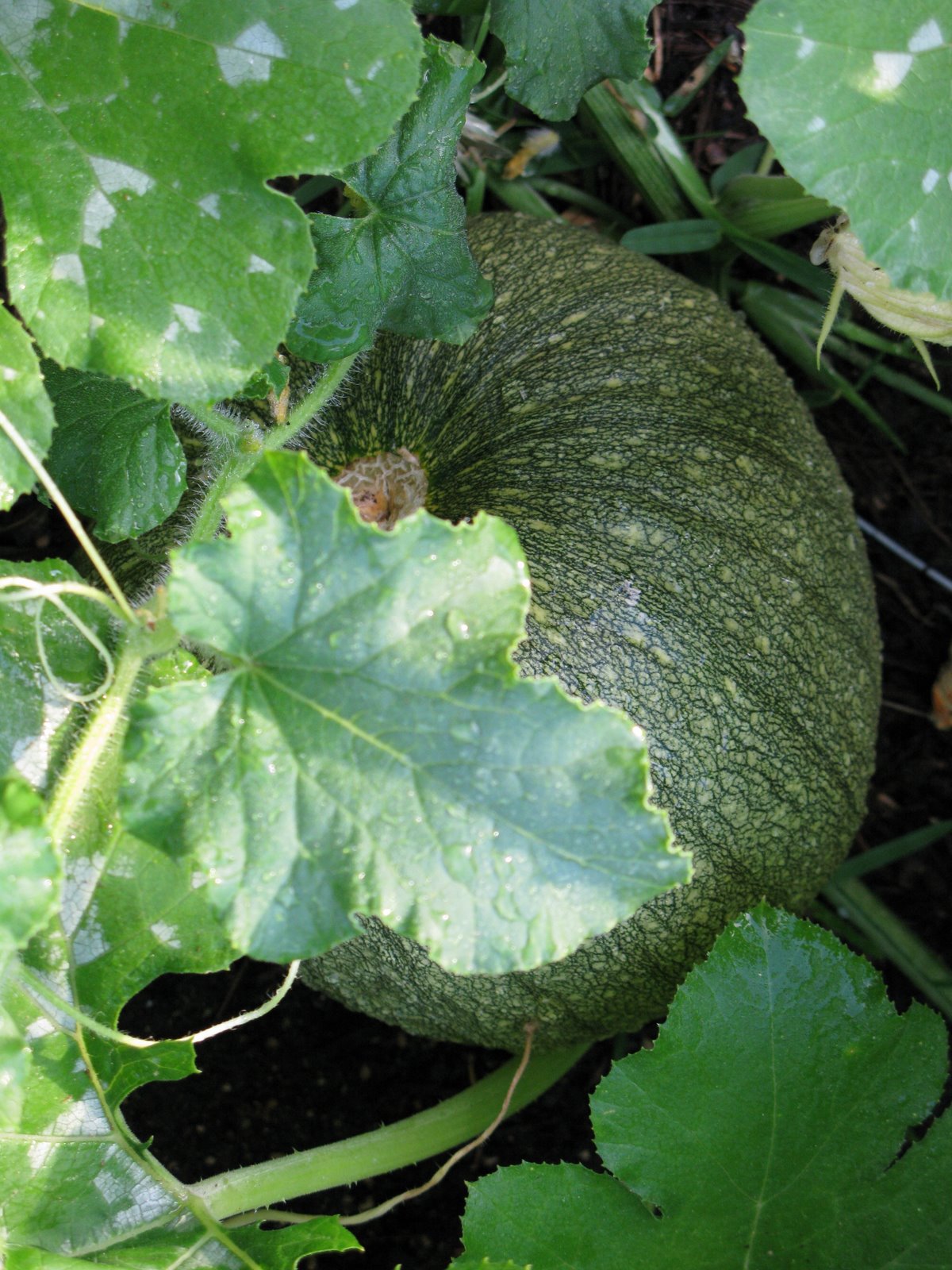
Sugar Pumpkin. 
Hopefully the Squash Vine Borers don’t destroy the entire plant before I’m able to see this one ripen.  
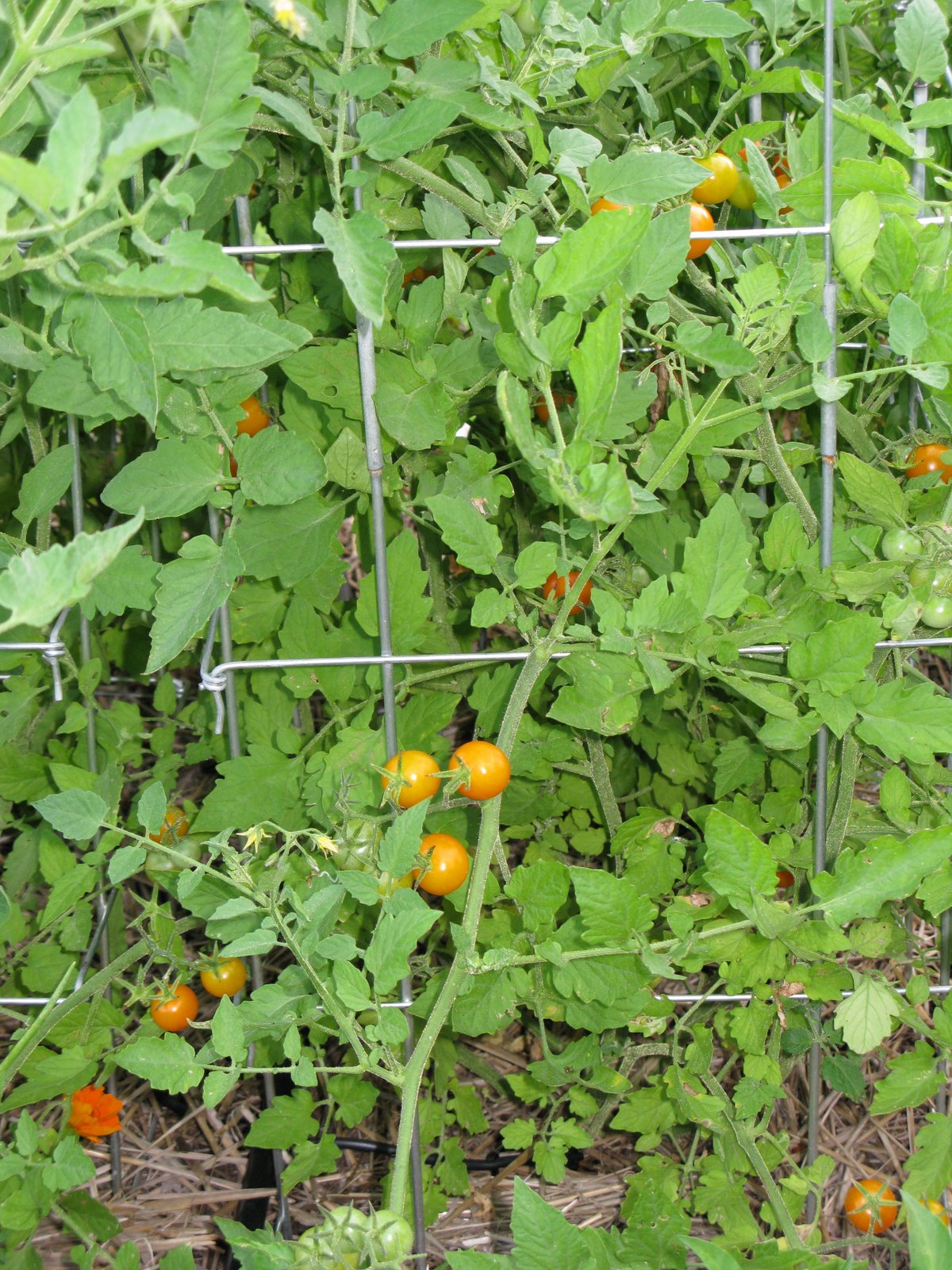
Sun Gold Tomatoes. These are so incredibly tasty I can’t see us planting any other type of cherry. We just can’t get enough of them.
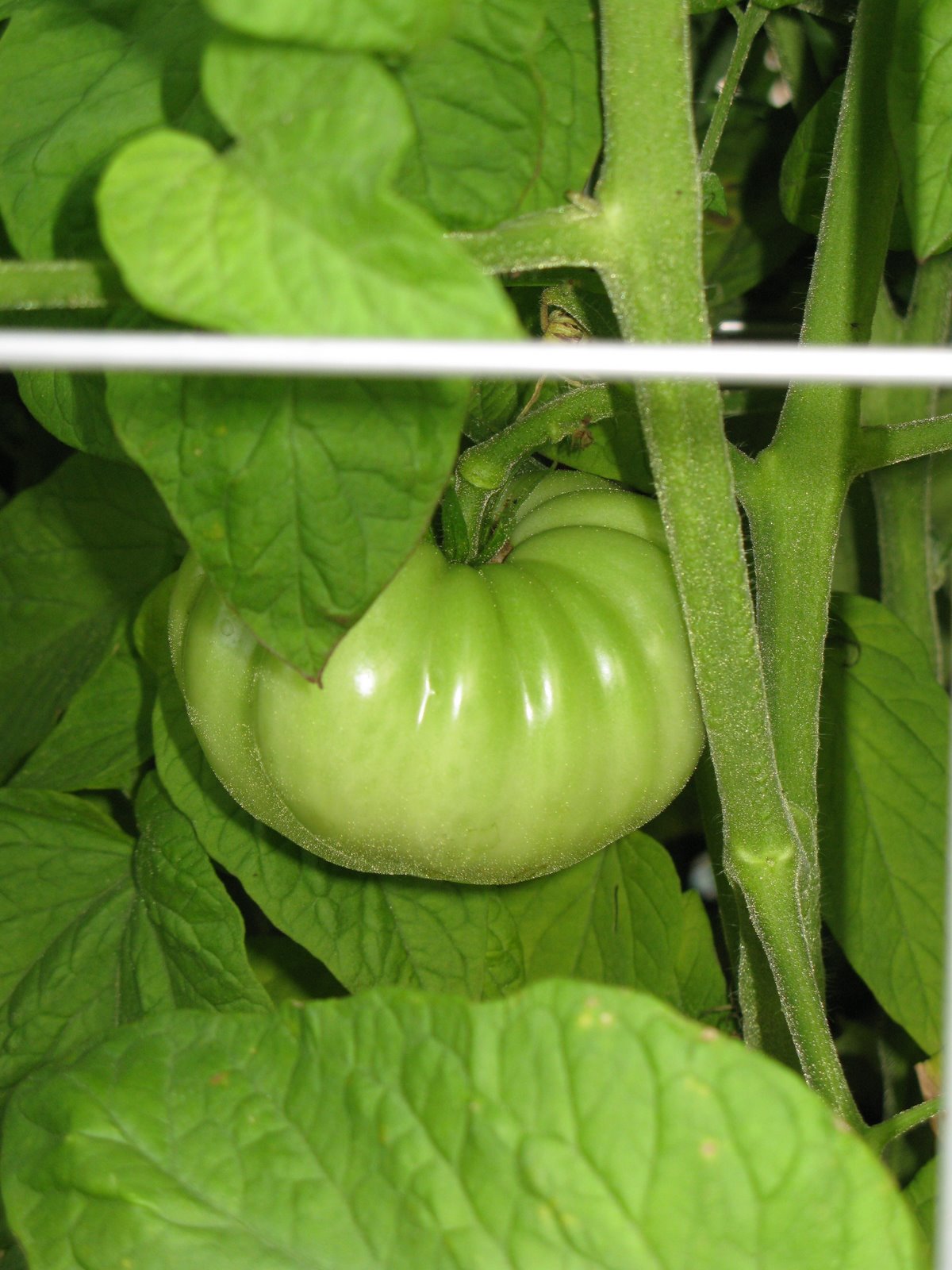
Brandywine.
Until just a few days ago when I spotted a few more tiny ones, this big guy was the one great hope. The production has been so bad on these, that tasty or not I don’t think I’ll be planting them again. Next year I’ll try Cherokee Purple instead.

Romas. 
These have just started ripening in the last day or two. I’ll be making some spaghetti tonight. Mmmm!

Octopus Swiss Chard. 
Really it’s just plain old swiss chard, but the twisty stems remind me of a certain sea creature. If I was ESP I’d be adding some really cool pics here 🙂
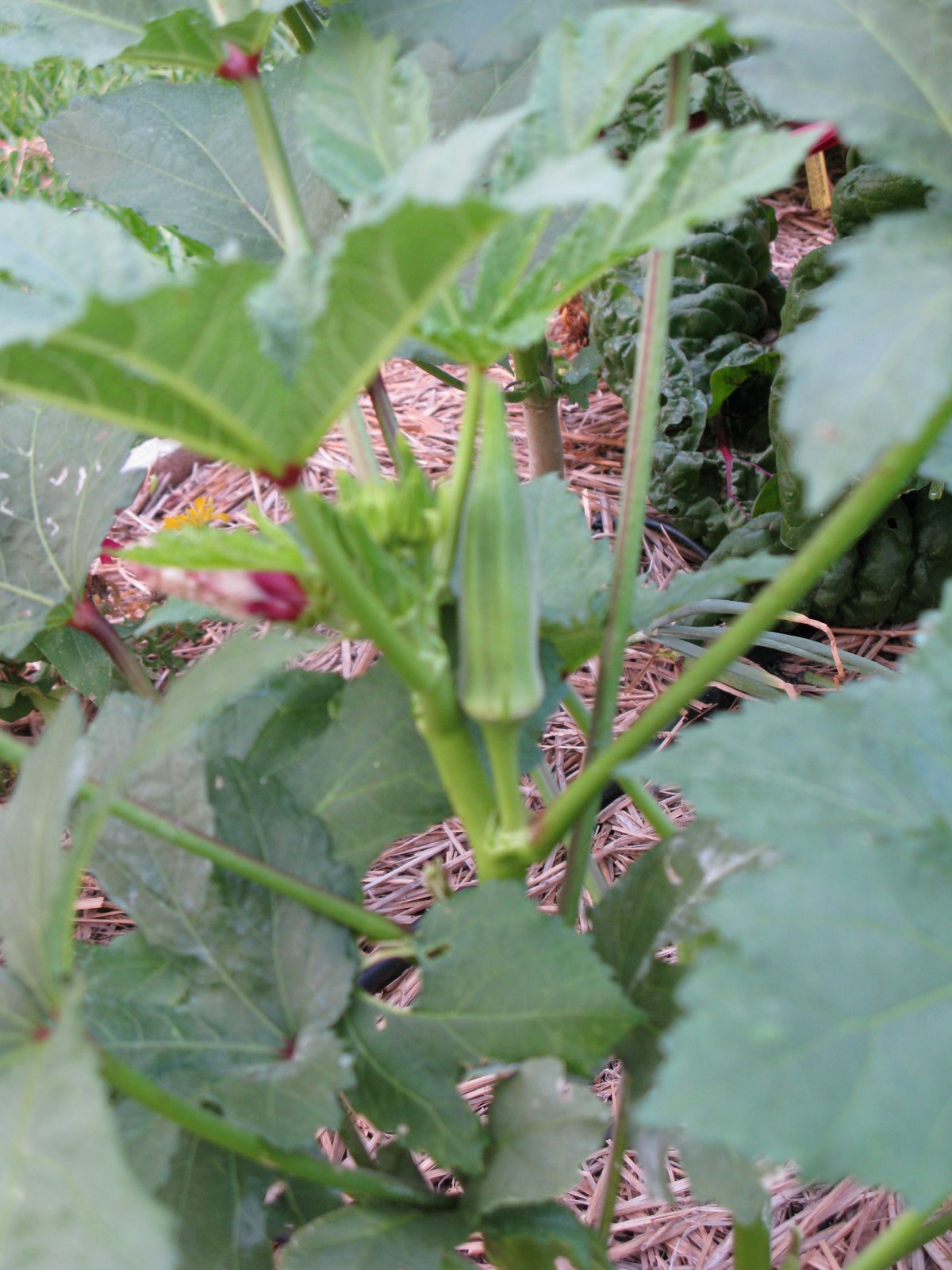
Okra.
Like the zucchini, these guys can get really big really fast if you aren’t paying attention.
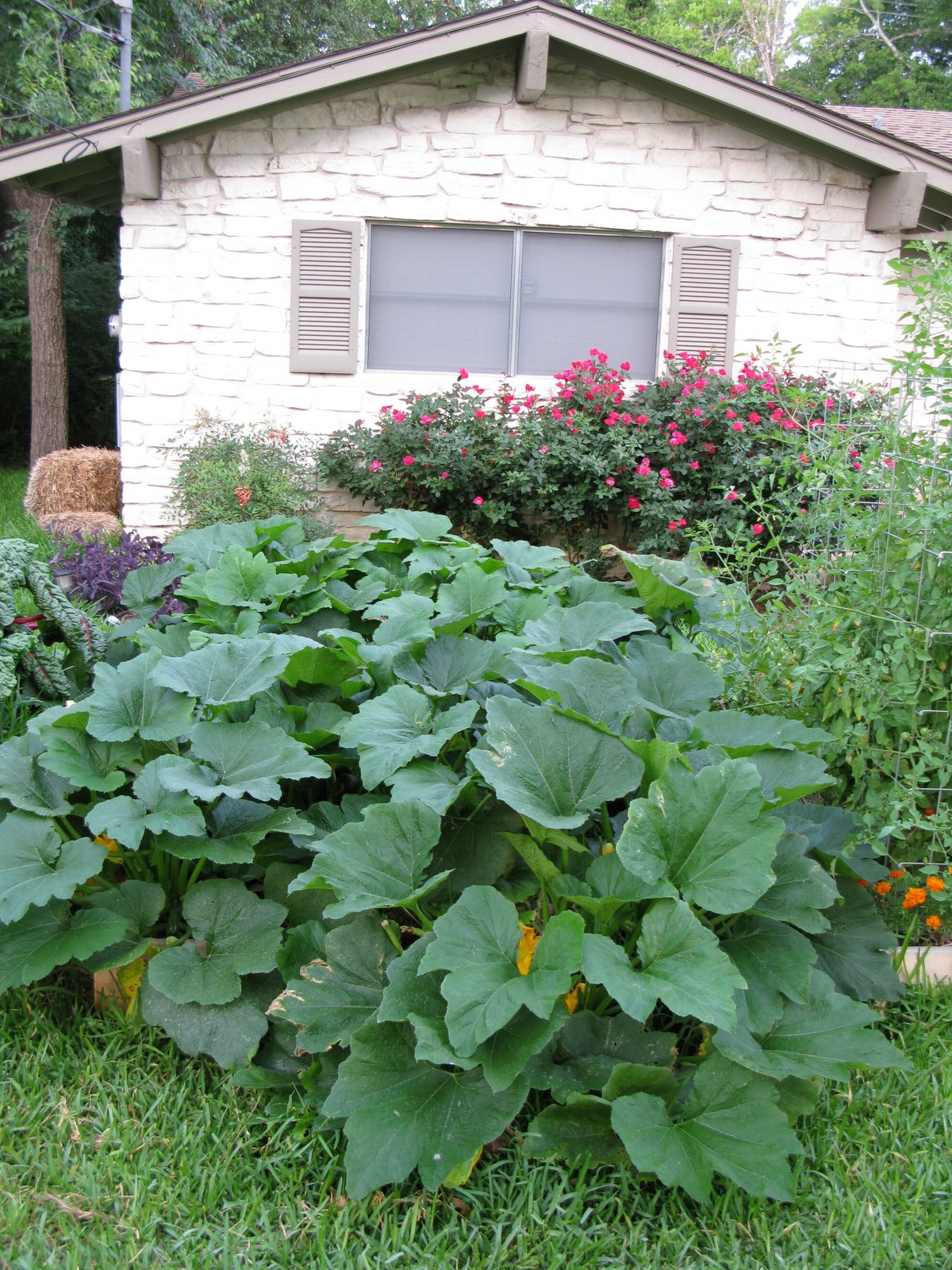
Zucchini.
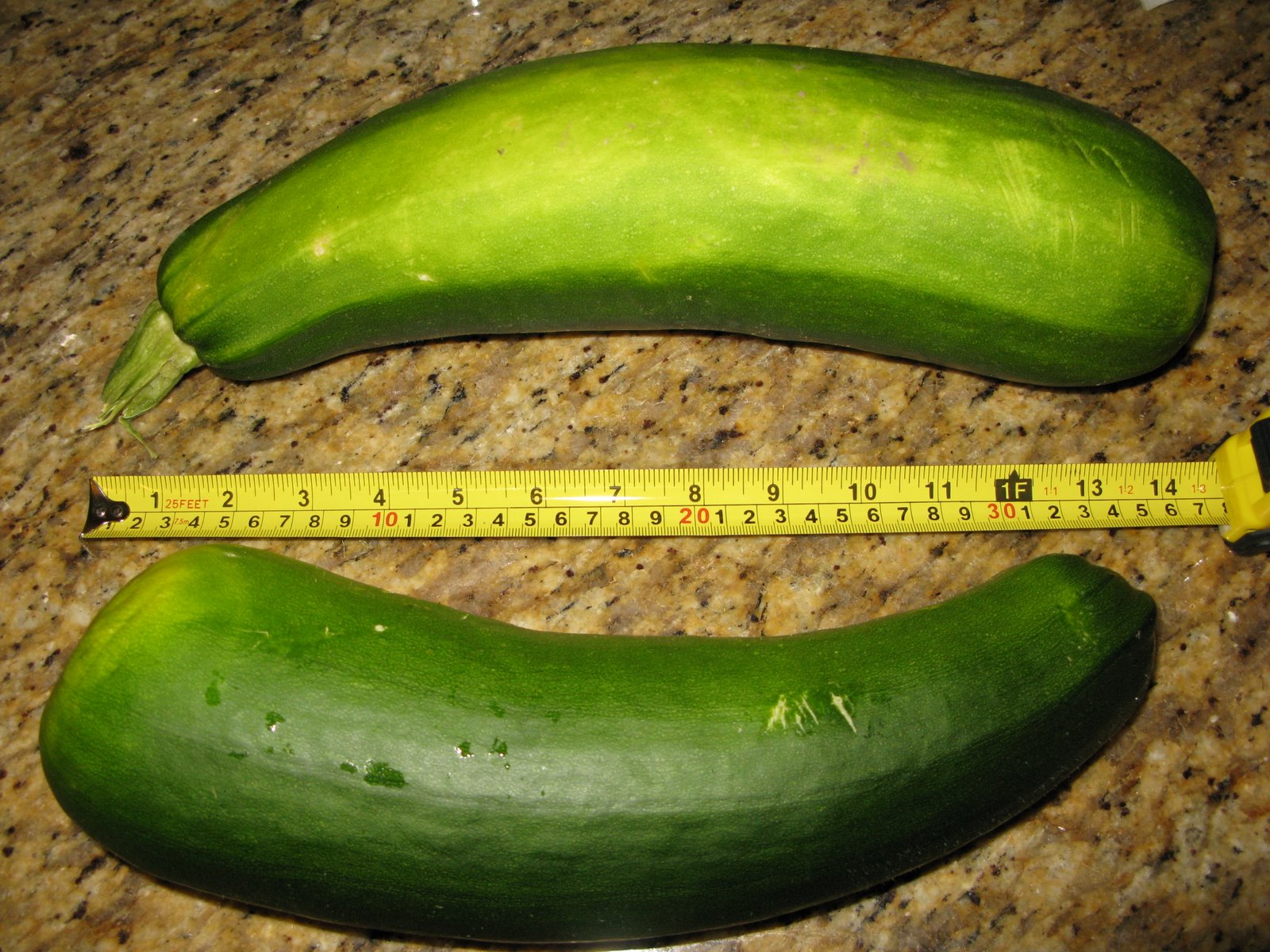
Still hanging in there. From this picture you’d never guess that I’ve cut into every one of these and lost half. Obviously, I overplanted the bed. Who knew vines could grow like this 🙂

>Moon Flower

>

Thanks to Diana from Sharing Natures Garden for the lovely moon flower plants. I lost one to a cut worm or pill bugs early on, but the other is doing great.

>Bug Battles

>

This weekend I’ve been battling two bugs, the leaf-footed bug and the dreaded squash-vine borer. The squash vine borer took out half of my zucchini several weeks ago, but had not been near the pumpkin. I read that they prefer other squash to pumpkins, so I was hoping mine would go untouched. Unfortunately, no such luck. I did have SVBs take out pumpkins in the same bed last year, so there is always the chance that these came from an overwintering pupae. Just in case, I plan on avoiding pumpkins next year, since I only have one spot to plant 30 sq ft 🙂 

We’re still getting tons of zucchini, so I’m happy with my little survivers. I check for SVB eggs several times a week and still find one or two each time. I’m just waiting for the day that they get past me and I lose another plant. In the meantime I’m just eating, sharing and attempting the zucchini world record. (completely by accident of course).
I’ve found the leaf-footed bugs on both my tomatoes an the pumpkins. They seem to prefer the romas. I believe it is because they have more places to hide. I killed about 10 yesterday. I kept a watchful eye for several hours, waiting for them to emerge. I even discovered two mating, which I put a quick stop to. The ones on the pumpkins are a lot easier to see. 
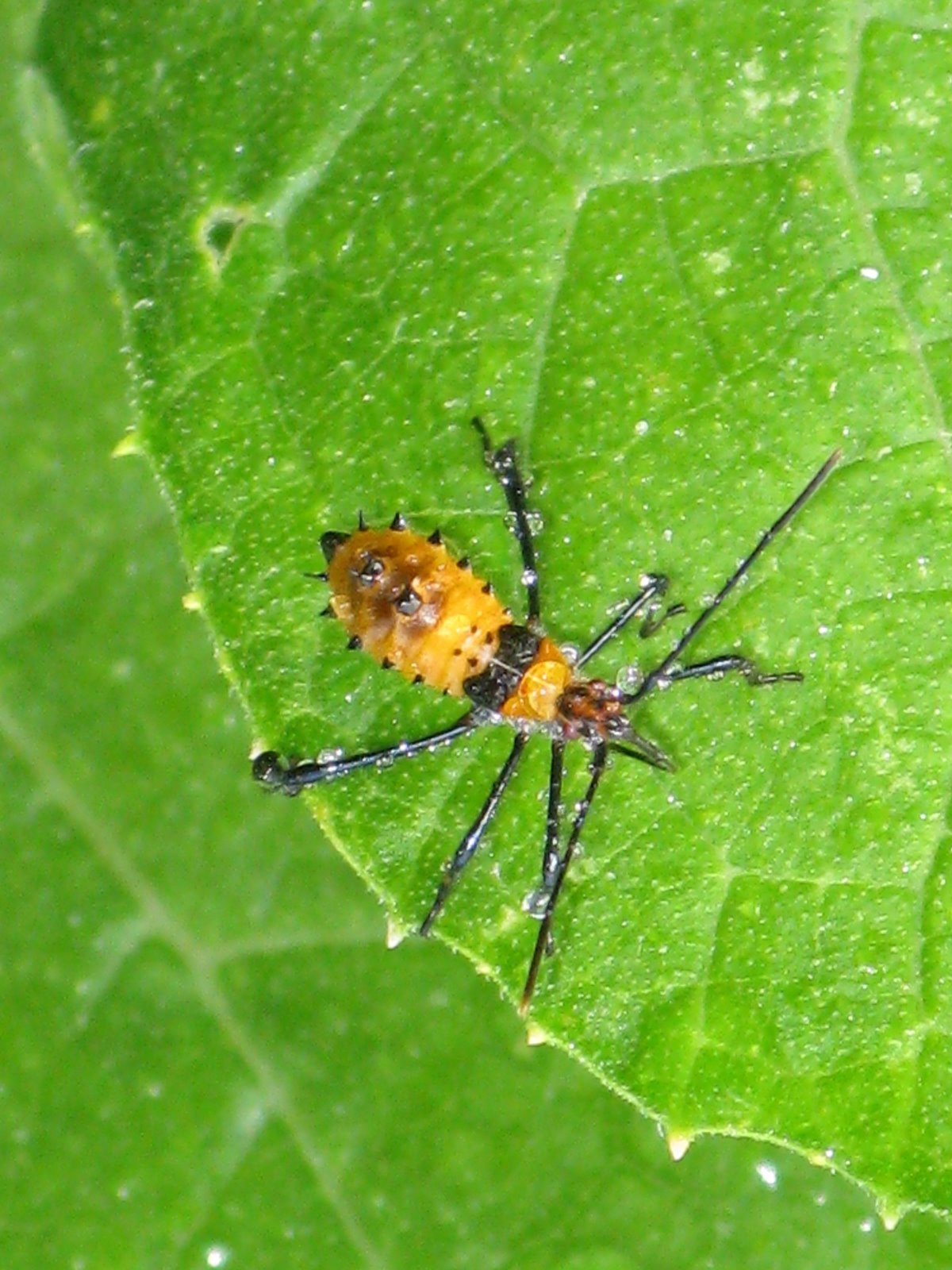
Leaf-Footed Bug Nymph
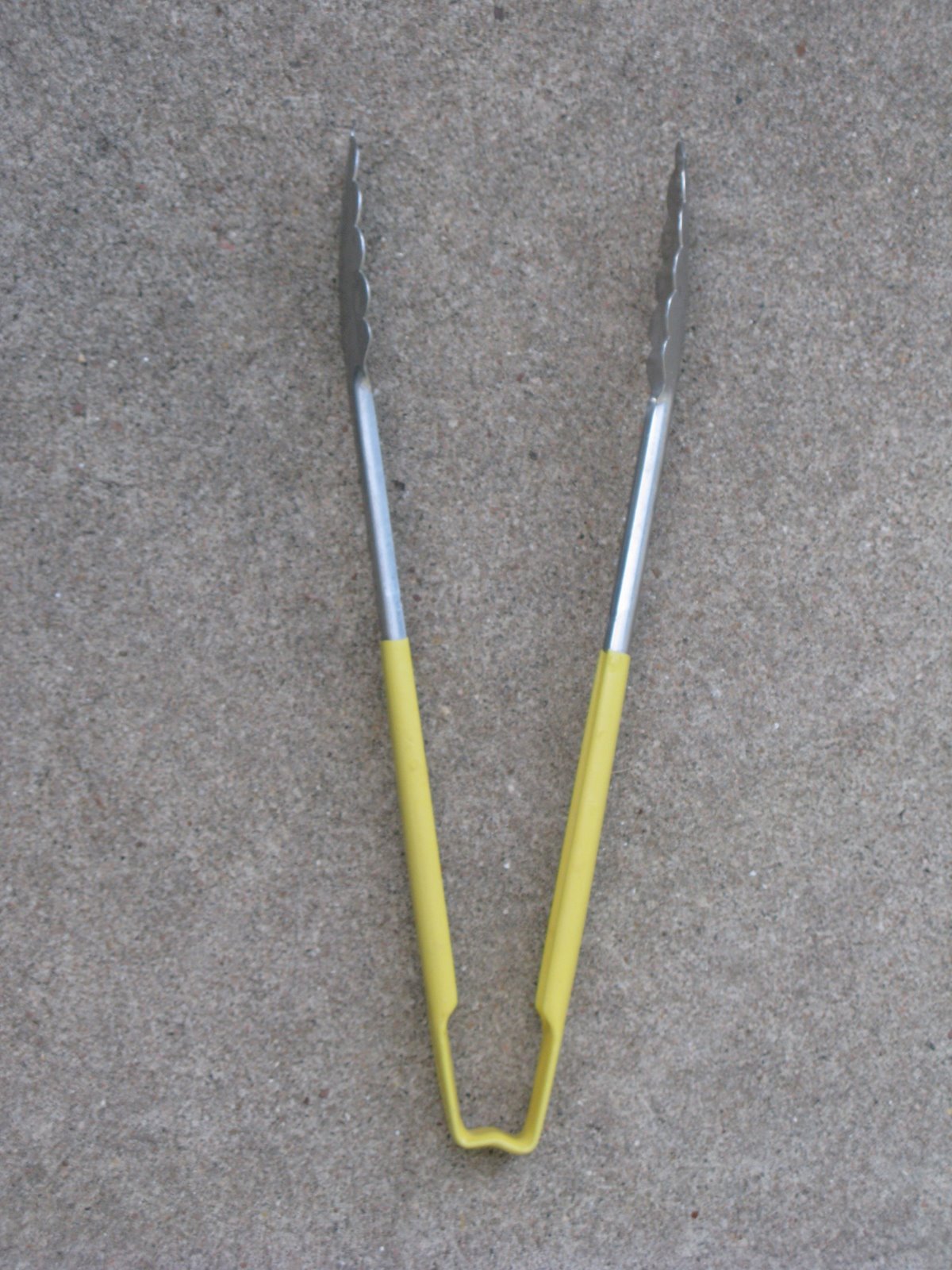
I’m not to the point where I can squash a nasty bug w/ my bare hands, so here’s my weapon of choice. I grab the bug with the tongs, throw it on the ground and smash it with my shoe. 

>

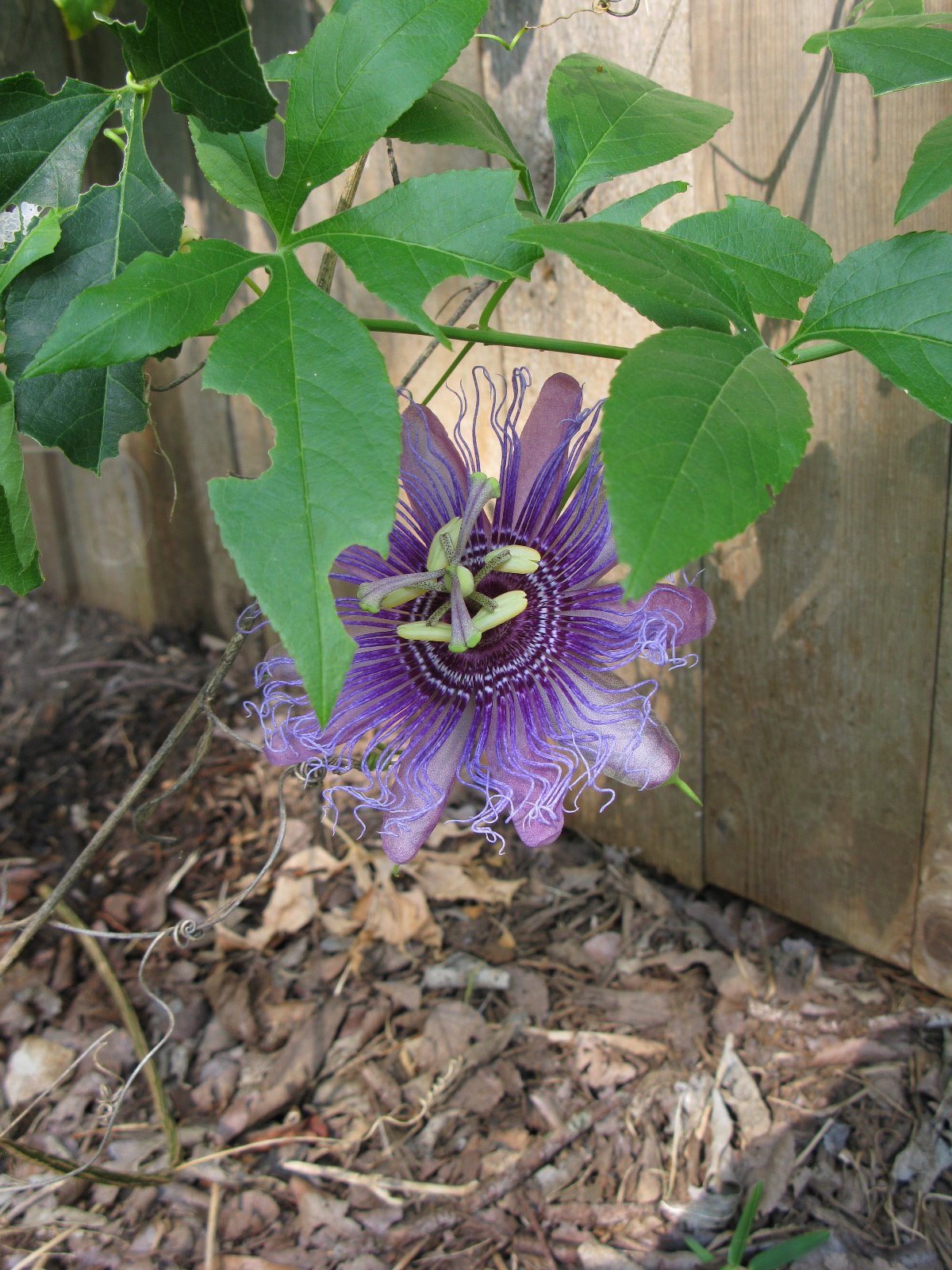
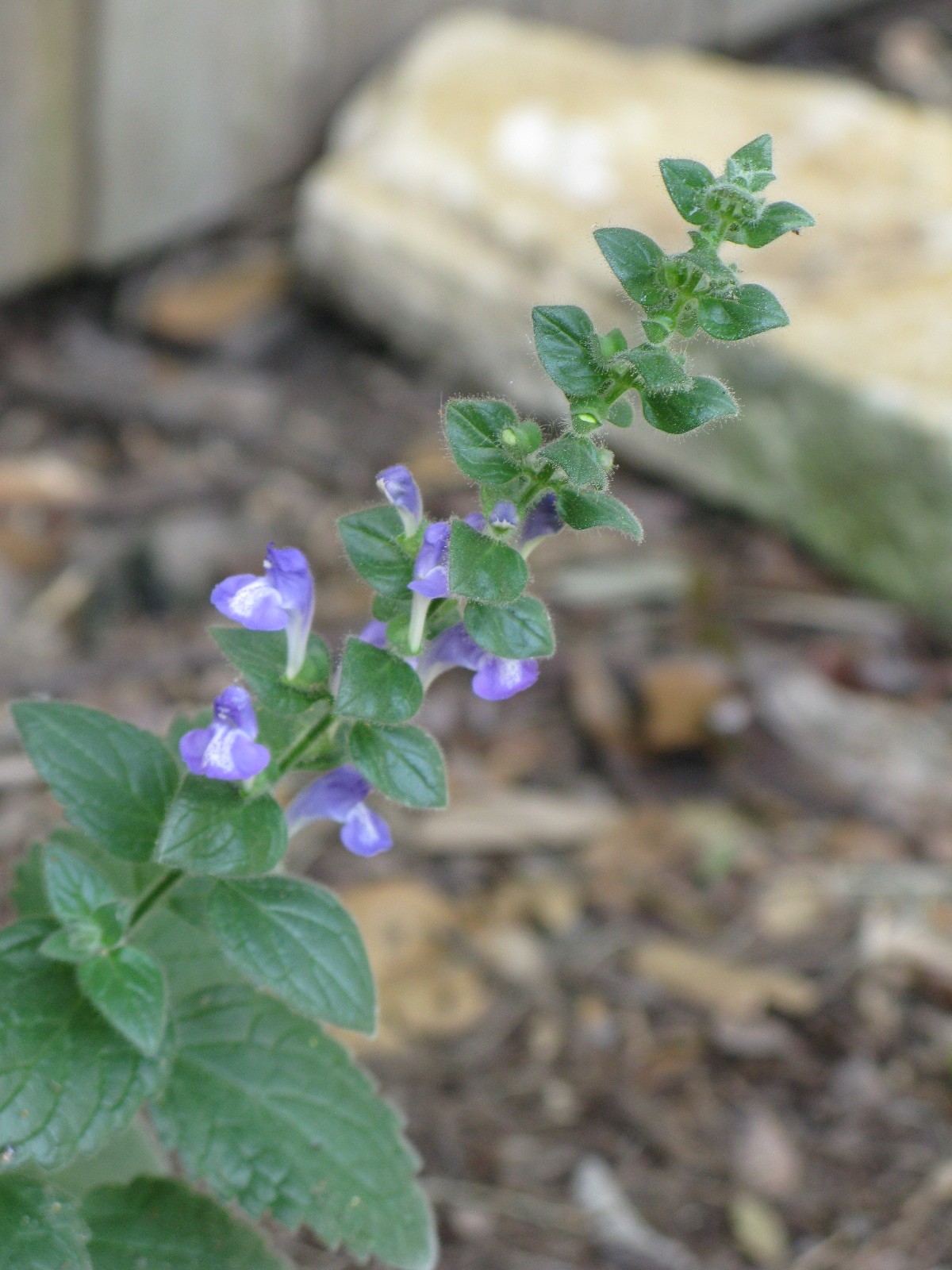
The first of my passion flowers showed up this morning, along w/ the skullcap blooms. I purchased the skull cap plant at the Wildflower Center sale. It’s been slow growing so far, but I’ve heard that they really take off once fully established. I planted the passion flower vine last year, and with our mild winter it has done really well.

Incense Passion Flower

Heartleaf Skullcap

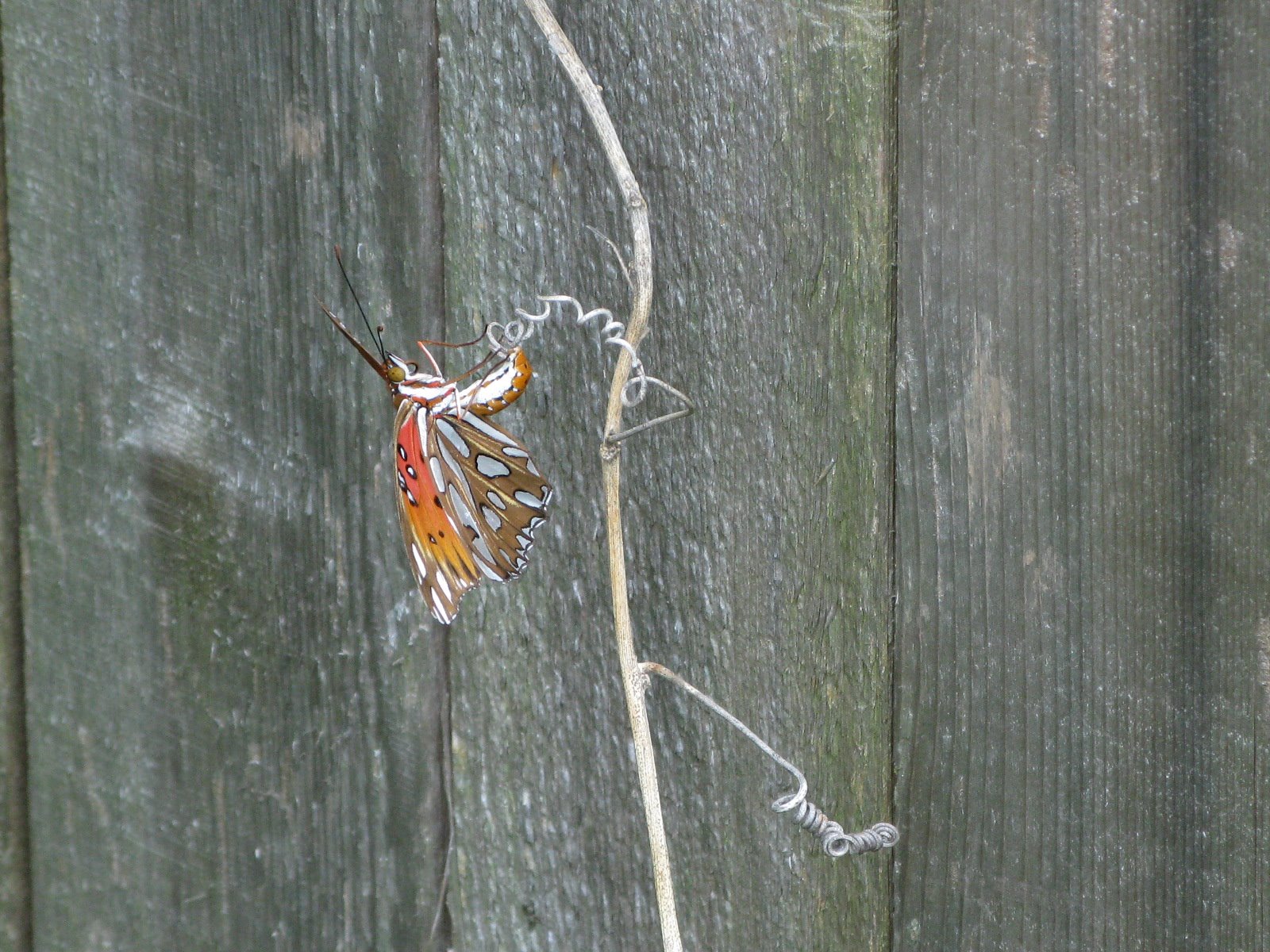
Butterfly that arrived on the passion flower vine as I was taking pictures.

New Border I put in a few weekends ago. My neighbor was nice enough to give me the free stones from an old fountain she took down several years ago.

Rockrose. These are one of my favorites.

>After my tough day on Wednesday I started doing some research. These squash vine borers really are nasty little creatures, and not the easiest to prevent. I found some good web pages.

http://www.gardensalive.com/article.asp?ai=804&bhcd2=1243008843
http://tomclothier.hort.net/page30.html
http://ohioline.osu.edu/hyg-fact/2000/2153.html

Here are the main suggestions I’ve found…

1. use row cover until plant flowers
– This one wouldn’t have worked this year. By late April I was already harvesting squash, so covering them until they were blooming would have done nothing.

2. Watch for eggs and remove
– I planted too many squash plants too close together. There is no way I could have seen anything. Next year I’ll create a little more space in between. Now that I have removed several plants (due to death) I can really get in there and have been able to find eggs.

3. Spray / Wipe down plants w/ BTK

– I don’t know much about this. I’ve read that it’s safe, but would like to talk to The Natural Gardener about it.

4. Plant sacrificial squash

– The ohio web site mentions that SVBs like hubbard squash more than other kinds. This would be an interesting experiment to put different types of squash in different areas to see which ones get hit the hardest. Hopefully, the more popular would keep the SVBs away from the less popular ones.

5. Create multiple roots

– I like this one too. You bury different sections of the base so they’ll generate roots. This way if part of the plant is damaged it’s change of survival is higher.

6. Rotate Beds

– I already plan on doing this. This is my first year with a garden big enough to rotate. I definitely plan on having the squash in a different location next year. This year was my first time doing summer squash, so I know that the larvae came from eggs, not from overwintering.

7. Succession Planting

– Keep planting new squash plants throughout the season. If some get destroyed than you should have seeds going in the ground for the next set. This is a great idea. You harvest all of the squash you can before the SVBs hit and once they do just start over. The family could probably use a break from all of that squash anyway 🙂

Update …
I went to the Natural Gardener yesterday afternoon and got one more suggestion.
8. Hand Pollinate
– Keep the row cover on permanently. Instead of having the bees pollinate, do it yourself. At first I thought this was a bad idea, very labor intensive, but after thinking on it a bit I realized it’s much less work than slicing open plants and digging out larvae. I may consider this one next year.